Debunking common myths about gambling What you need to know
Debunking common myths about gambling What you need to know
Understanding Gambling Odds
One of the most pervasive myths about gambling is that players can always find a way to beat the odds. Many people believe that strategies and systems exist that guarantee wins. However, the truth is that gambling outcomes are primarily based on chance. Each game, whether it’s poker, blackjack, or slots, has a defined set of probabilities that determine the outcome, and these odds do not change based on past events. Players might stumble upon top bitcoin casinos believing they can consistently win, but luck plays a central role in every gamble.
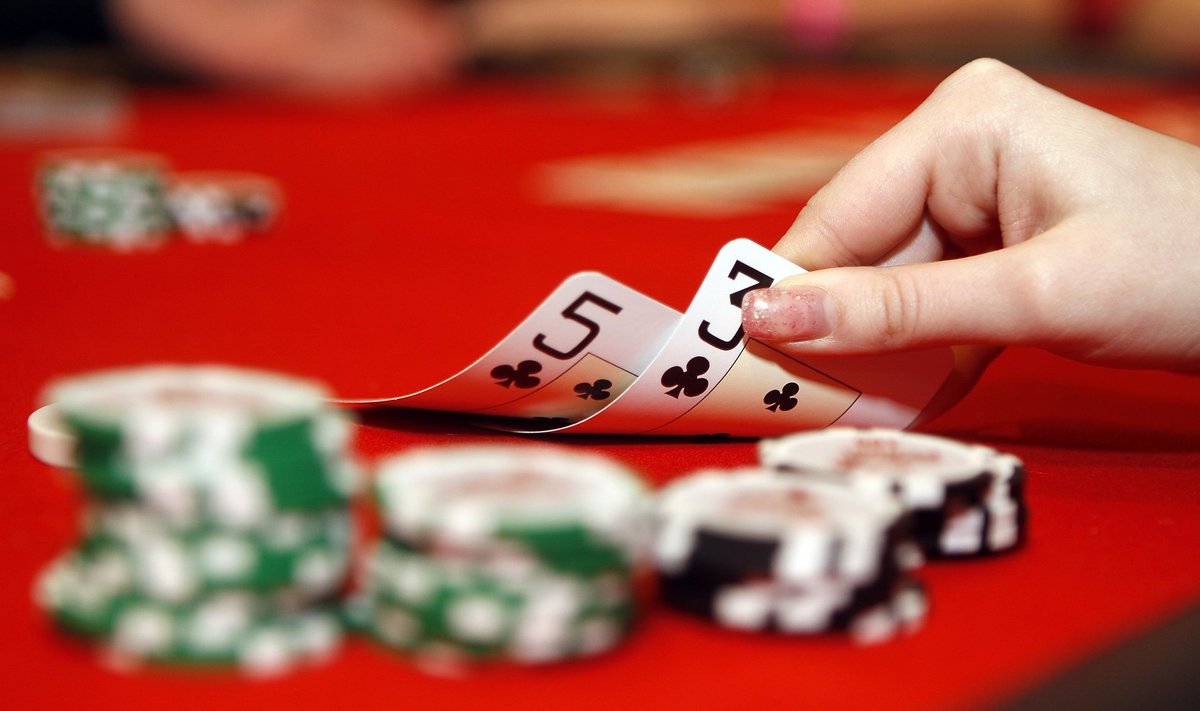
For example, in games like roulette, the odds remain constant regardless of the previous results. This misconception can lead players to make poor choices, believing they can predict outcomes based on previous patterns. Understanding the mathematical principles behind gambling can help demystify these myths and promote more informed decisions.
The Role of Skill in Gambling
Another common belief is that gambling is purely a game of luck, ignoring the significant role that skill can play, especially in games like poker and blackjack. While luck does influence the outcome of individual hands or spins, skilled players can leverage their knowledge and experience to improve their chances of winning over time. This distinction is vital in understanding the dynamics of different gambling formats.
Skillful gamblers study strategies, manage their bankroll effectively, and understand the psychology of their opponents. This skill can lead to more favorable long-term results compared to relying solely on chance. Recognizing that skill can enhance the gambling experience may encourage players to approach games more thoughtfully and strategically.
Gambling Addiction and its Misunderstandings
The stigma surrounding gambling addiction often leads to misconceptions about who it affects and how it develops. Many people believe that only those who gamble excessively or recklessly can become addicted. However, gambling addiction can affect anyone, regardless of their financial status or frequency of play. It is a complex issue influenced by psychological, social, and environmental factors.
Understanding gambling addiction requires empathy and awareness. It is not just about losing money; it can lead to significant emotional and psychological distress. Education on the signs and symptoms can help in identifying those at risk and promoting healthier attitudes toward gambling.
Famous Gamblers and Their Myths
Many myths circulate about famous gamblers, such as their supposed secret techniques for winning. While well-known figures like professional poker players have achieved remarkable success, it’s essential to recognize that their victories result from years of dedication and hard work. They often face significant losses as well, debunking the myth that professional gamblers always come out ahead.
Case studies of these individuals reveal that their success is less about luck and more about skill, discipline, and the ability to read situations and opponents. Learning from their experiences can provide valuable insights into the realities of gambling, emphasizing the importance of understanding the game rather than chasing myths.

Enhancing Your Digital Experience with Postlight
At Postlight, we understand the importance of informed decision-making in all areas, including gambling. Our platform empowers organizations to create engaging digital experiences by providing tools and resources tailored to their needs. By focusing on creativity and efficiency, we help businesses simplify complex workflows and enhance user engagement.
Whether you are a developer or decision-maker, Postlight is committed to helping you navigate the digital landscape effectively. Our suite of services allows for seamless content management, enabling businesses to transform their online presence. Explore the possibilities with Postlight and take your digital strategy to the next level.